
"coffee regions Africa"
4000 article(s) found
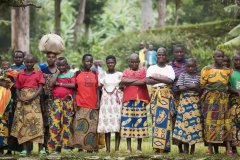
African Fine Coffee beans the Heart of Africa the flavor and taste of coffee beans in Burundi
Professional coffee knowledge exchange more coffee bean information Please follow the coffee workshop (Wechat official account cafe_style) mentioned Burundian coffee, reminiscent of its distinct acidity and fruity aroma. When it comes to sour coffee, we have to mention coffee from Ethiopia and Kenya in Africa. In the front street, Burundian coffee is compared with two producing areas, Burundian coffee.

An introduction to the taste of coffee flavor description in Ethiopia's Xida Moshaschiso region.
President Mulatut Shawmei. He studied Chinese at Beijing language and Culture University (now Beijing language and Culture University) from 1976 to 1977; studied at the Department of philosophy of Peking University from 1977 to 1982; studied for a master's degree in the Department of National Politics of Peking University from 1984 to 1988; and studied for a doctorate in the Department of National Politics of Peking University from 1990 to 1991. He has served as a member of Ethiopia in Japan, Australia, China and other countries.

Types and characteristics of coffee in America, Asia and Africa with pictures how to classify Arabica coffee beans
Professional coffee knowledge exchange more coffee bean information please follow the coffee workshop (Wechat official account cafe_style) appreciation of coffee trees from all over the world is a genus of Rubiaceae in botany. Coffee trees are native to subtropical Africa and some islands in southern Asia. In the 16th and 17th centuries, through the merchants of Venice and the Dutch hegemony at sea

Coffee growing history of Lake Kivu, Congo, an African coffee growing region? Raw bean treatment of Congolese coffee
Professional coffee knowledge exchange more coffee bean information please follow the coffee workshop (Wechat official account cafe_style) African coffee growing history of Lake Kivu in Congo? How to handle raw beans of Congolese coffee? The Democratic Republic of the Congo, known as the Democratic Republic of the Congo (DRC), runs through the north of the equator and is mainly located in central Africa across the Congo River from another Congo.

Coffee beans in coffee-producing areas distinguish between the countries that produce coffee
The most sensible and practical way to understand coffee-producing countries is to classify them into the world's three major coffee growing regions: Africa, Indonesia and Central and South America. Generally speaking, coffee grown in the vicinity has similar characteristics. If a particular bean is out of stock, the manufacturer and buyer of the comprehensive product will usually look for a nearby country. People who make comprehensive products will say: I think

Introduction to the Regional treatment method of Santa Rita Coffee Bean in Colombia
Columbia Santa Rita Coffee Bean Flavor characteristics Manor area treatment method for growing coffee also requires daylight and proper shade, which is most suitable for planting on fertile soil or volcanic ash soil. Therefore, the origin of coffee is widely distributed in South America, Central America, the West Indies, Asia, Africa, Arabia, the South Pacific and Oceania. Such as Ethiopia and Tanzania in Africa

Introduction of two major coffee producing areas-the largest coffee producing country in the world
Coffee growing area: multi-regional (Latin America, Africa, Asia / Pacific) processing method: washing flavor: floral flavor, herbal flavor, lemon flavor, gallon flavor acidity: high mellow: medium matching taste: floral flavor, citrus, gallon flower breeze is the name of a coffee bean, just like Starbucks' Florna, Youken, etc. At Starbucks, it's used to do

Classification of Ugandan coffee beans in Uganda, the second largest coffee producer in Africa
Uganda is the second largest coffee producer in Africa, the fourth largest Robusta coffee producer and the tenth largest coffee producer in the world. One out of every 10 coffee farms in the world is located in Uganda, where 1.7 million coffee households account for 10 per cent of global farms. Coffee production in Uganda may still be feasible in the coming decades, but future environmental scenarios require us to start now.

Introduction to the Origin of Fine Coffee beans in the volcanic Coffee producing areas of Africa Bean Guatemala
1. Acatenango Valley: the Acatenango Valley is 2000 meters (6500 feet) above sea level, with dense shade and unique ecology. Nearby Fuego volcanoes continue to erupt, making its coarse, sandy soil rich in a variety of minerals. Temperate sea breezes from the Pacific and a seasonal climate make this production.

World boutique Coffee Manor: KEFFA region of Ethiopia-an introduction to the birthplace of coffee
The birthplace of Ethiopian KEFFA- coffee reprinted 2015-06-21 13:37:13 label: Ethiopian coffee beans are located in East Africa Ethiopia in ancient Greek means the land inhabited by sun-tanned people. Ethiopia's unique cultural tradition, spectacular scenery, pleasant climate, rich animal and plant resources, important places of interest, hospitality and friendly people

The unique floral flavor of boutique coffee beans from Geisha, an Ethiopian region in Africa
The species of Geisha was discovered in the Rose Summer Forest of Ethiopia in 1931 and sent to the Coffee Institute in Kenya; it was introduced to Uganda and Tanzania in 1936, in Costa Rica in 1953, and Panama was introduced in the 1970s by Francesca of Dongba Seven Farm Garden. Mr. Serraxin got the seeds from CATIE in Costa Rica and started growing Rosa Coffee because

Savor the regional │ coffee from here-Ethiopia
The exchange of professional baristas please follow the coffee workshop (Wechat official account cafe_style) 16th century Lebanese scholar Faustus Nairous Barlesius wrote in his book the Sleepless Monastery that the origin of coffee was discovered by shepherds living in the Ethiopian highlands in the sixth century. Coffee starts here in Ethiopia and Africa, known as the birthplace of coffee.

Coffee bean production methods Coffee producing areas
The most sensible and practical way to understand coffee-producing countries is to classify them into the world's three major coffee growing regions: Africa, Indonesia and Central and South America. Generally speaking, coffee grown in the vicinity has similar characteristics. If a particular bean is out of stock, the manufacturer and buyer of the comprehensive product will usually look for a nearby country. People who make comprehensive products will say: I think

Uganda Coffee production Mt.Elgon Region Elgon Mountain region
For more information on coffee beans, please follow the coffee workshop (Wechat official account cafe_style) Uganda ranks eighth in the world in coffee production, on a par with Peru and second in Africa after Ethiopia. Every year, Uganda usually produces 3 million to 4 million bags of 60 kilograms of coffee, accounting for only 2-3% of global production, far less than

A detailed introduction of coffee beans from the three largest producing areas in the world: Africa, America and Asia
The most sensible and practical way to understand coffee-producing countries is to classify them into the world's three major coffee growing regions: Africa, Indonesia and Central and South America. Generally speaking, coffee grown in the vicinity has similar characteristics. If a particular bean is out of stock, the manufacturer and buyer of the comprehensive product will usually look for a nearby country. People who make comprehensive products will say: I think

How to correctly choose the benefits and functions of coffee beans
The most sensible and practical way to understand coffee-producing countries is to classify them into the world's three major coffee growing regions: Africa, Indonesia and Central and South America. Generally speaking, coffee grown in the vicinity has similar characteristics. If a particular bean is out of stock, the manufacturer and buyer of the comprehensive product will usually look for a nearby country. People who make comprehensive products will say: I think

What are the similar characteristics of coffee produced in different countries?
The most sensible and practical way to understand coffee-producing countries is to classify them into the world's three major coffee growing regions: Africa, Indonesia and Central and South America. Generally speaking, coffee grown in the vicinity has similar characteristics. If a particular bean is out of stock, the manufacturer and buyer of the comprehensive product will usually look for a nearby country. People who make comprehensive products will say: I think

Rwanda is called "the Switzerland of Africa", and Rwanda Malaba is a 100% tree species in Bobang.
The Republic of Rwanda, which is adjacent to Tanzania, Fiji, Uganda and the Congo, is located in the inland plateau of central Africa. Rwanda is known as Africa's Switzerland, green jungle, volcanic ash fertile soil, wild gorilla habitat. Rwanda's natural environment is very suitable for growing coffee and has attracted attention in the international coffee industry. Coffee species in Rwanda

Colombia Matambo Forest Coffee Bean three Coffee growing areas characteristic four Coffee Bean producing areas
Professional coffee knowledge exchange more coffee bean information Please pay attention to the coffee workshop (Wechat official account cafe_style) with the equator as the center, in the tropics and subtropics between latitudes of about 25 degrees north and south, it is the most suitable area for growing coffee. However, good forests can not be cultivated anywhere in the region. The three major coffee growing areas in this section are as follows:

Coffee utensils from which country in the coffee bean producing area
The most sensible and practical way to understand coffee-producing countries is to classify them into the world's three major coffee growing regions: Africa, Indonesia and Central and South America. Generally speaking, coffee grown in the vicinity has similar characteristics. If a particular bean is out of stock, the manufacturer and buyer of the comprehensive product will usually look for a nearby country. People who make comprehensive products will say: I think